
How I Built My Art Website: What I Actually Built (Part 2)
A deep dive into the structure of a high-performance artist website. Learn why one painting per page, a clean gallery, and a focused homepage matter.
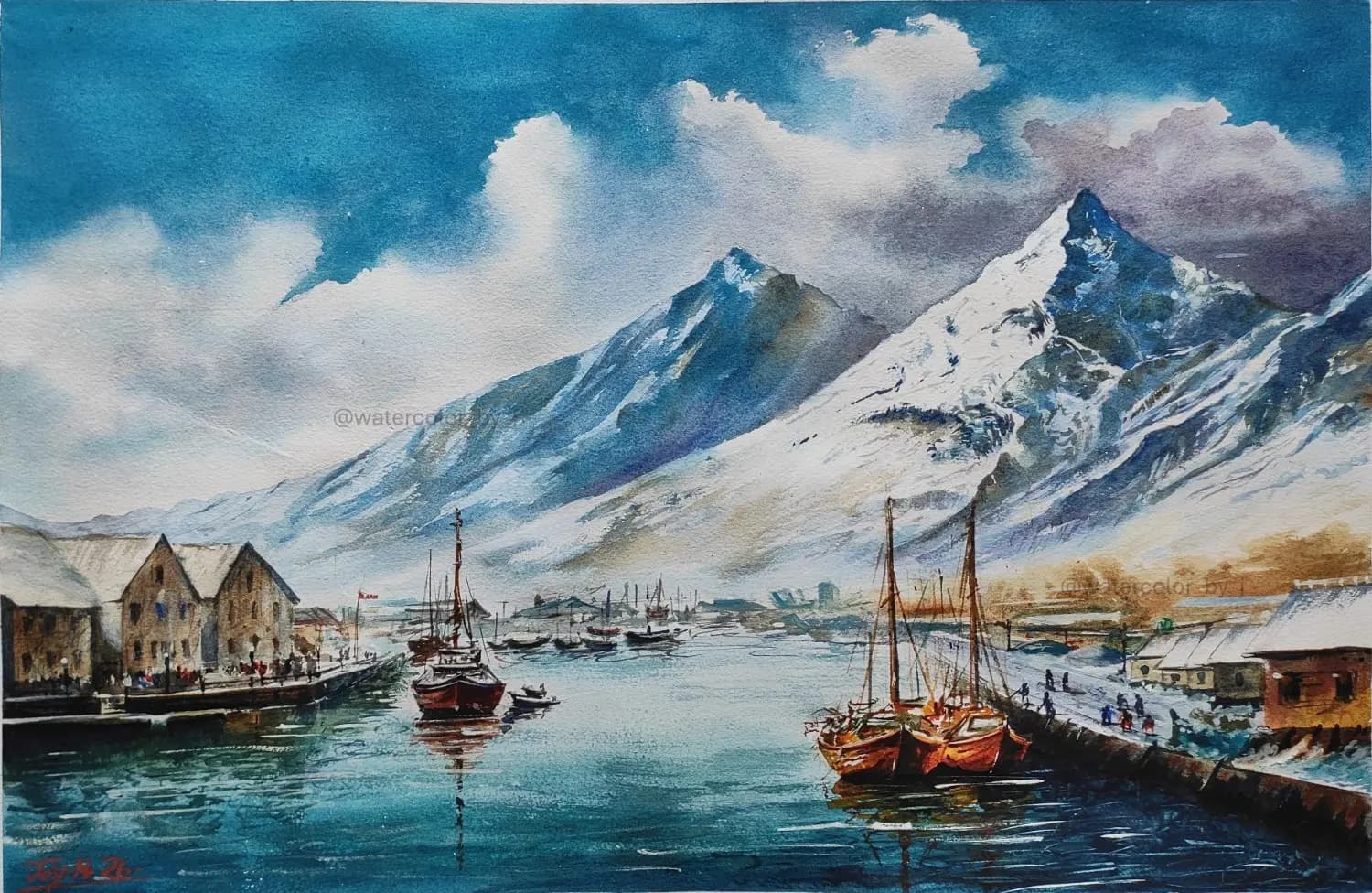
I made my art website feel like a gallery. I did this so people can look at my art and feel like they are actually walking around in a physical space. My website is also set up so that it gets found by people who are looking for original watercolor paintings online.
People think that an artist website is something that's really hard to build. They think of a massive portfolio, a store, a blog, a mailing list, and a thousand buttons - and then they just give up.
The truth is this: A good art website is not a complicated machine. It is a calm room.
When a visitor comes to your site, they should get a feeling, understand what your work is about, and know the next steps they need to take without having to think too much. That is what I tried to build.
1. The Homepage: The First Impression Has One Job
Most artist websites make a mistake right away: they try to show you everything at once. Ten paintings, five categories, social links, testimonials, and a full life story. It’s like someone walking into a gallery and yelling, "Look at everything I've ever done!"
I made my homepage look like the entrance to a gallery. It is built around three simple things:
- A strong, simple headline.
- A short emotional description.
- One main action: View Gallery.
Because the homepage isn’t the gallery - it’s the doorway.
2. The Gallery: Where People Decide If You are Real
This is the heart of the website. When people go to your gallery page and it looks messy, slow, or confusing, they leave. Not because your art isn’t good, but because the presentation doesn’t feel trustworthy.
The gallery should match the work: Clean, organized, and intentional.
Instagram is a feed. A gallery is a collection.
A gallery is a place where things are carefully chosen to be shown together. I set mine up to be a collection of work, not just a stream of content.
3. The Artwork Page: Every Painting Needs a Room
Most artists don't realize this: One painting = one page.
A real artwork deserves its own space. It shouldn't just be an image in a grid or a scroll. It needs its own page so that:
- Google understands it: Each page is a new opportunity for someone to find your work.
- The viewer slows down: It forces the person to really look and appreciate the piece.
- It feels valuable: Giving a painting its own page signals that it is an original, not just "content."
Each artwork page on my site has the large painting image, the title, medium/year, a short description, and a secure way to purchase.
4. The About Page: Building Trust
The About page is not a biography; it is a page about trust. Collectors don't necessarily need your full life story; they need to know:
- Are you real?
- Is the work handmade?
- Do you genuinely care about your craft?
- Are you consistent?
I wrote my introduction to be quiet. No marketing jargon, no "award-winning visionary" labels. Just the truth: I like to paint the moments that linger in our minds. That one sentence does more work than twenty paragraphs of generic bio.
5. The Blog: Not for "Writing" - For Being Found
I didn't add a blog because I wanted to be a writer; I added it because people who collect art search for answers before they buy. They search for things like:
- "Watercolor vs Prints"
- "How to buy original watercolor online"
- "How to frame watercolor paintings"
If your website only has pictures, Google doesn't have much to work with. The blog is the bridge between a collector's curiosity and their final purchase.
6. The Contact Page: The Quiet Doorbell
The contact page is a signal. It tells visitors that if they want to talk to the artist, they can. That alone increases trust. A real studio has a door you can knock on.
7. The Policies: The "Serious Artist" Signal
Shipping, returns, licensing, and privacy - this part is boring, but it matters. The presence of these pages tells the collector, "Okay, this person is serious." It is the difference between a casual art site and a professional business.
8. What I Stayed Away From On Purpose
I did not try to build a platform. I stayed away from too many categories, too many popups, and "trending" design tricks. Watercolor is already quiet; the website should match that. A good art website doesn’t scream at you.
9. The Most Important Thing I Learned
A website is not just a digital resume. It is your studio on the internet. It is your gallery, your archive, and your proof of seriousness.
It is the one place where:
- Your art is not in competition with viral reels.
- Your work is not surrounded by advertisements.
- Your paintings are not reduced to tiny, low-quality thumbnails.
Explore My Work
- 👉 View the Gallery: /gallery
- 👉 Read Part 1: Why I Built This Website
- 👉 Collector's Guide: How to Buy Original Watercolor Paintings Online
In Part 3, I’ll dive into the actual tools and code I used to make this happen.
— Joy
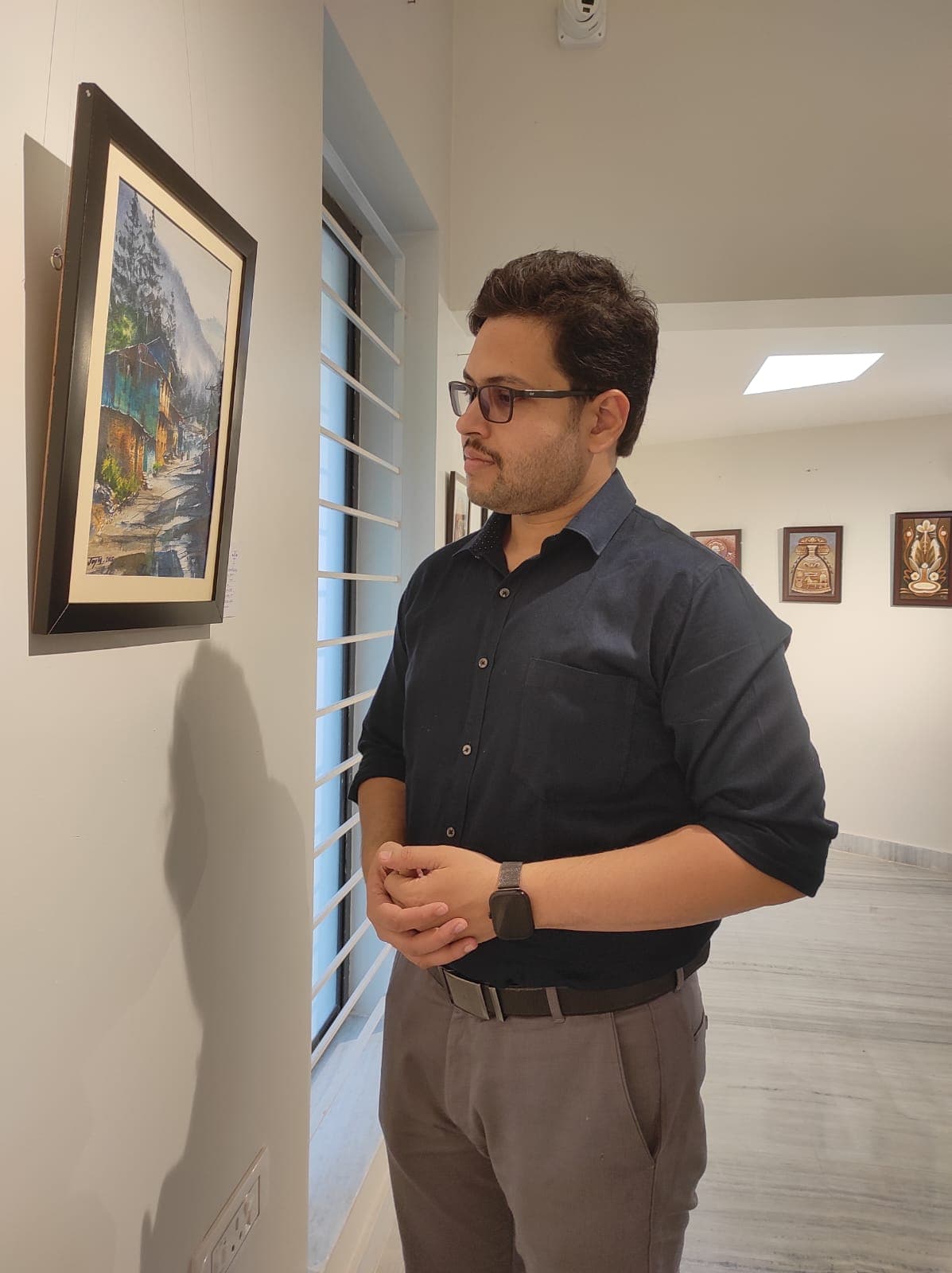
Joy
"I paint not to capture the world as it is, but as it feels."
More from the Journal
How I Built My Website: A Practical Guide (Part 3)
The hands-on breakdown. From VS Code and GitHub to Vercel hosting, here is exactly how I built my digital studio as an independent artist.
Read ArticleI Made My Art Website: Why I Didn’t Wait for a Gallery (Part 1)
The truth about being an independent artist today. Why I stopped waiting for galleries and decided to build my own permanent home for my work.
Read ArticleWhy Collectors Should Buy from Small Artist Websites (And Not Just Marketplaces)
Why the most meaningful art isn’t found on big marketplaces. Learn the benefits of buying directly from independent artist websites.
Read Article